

Essential Tips for Wedding Photography Preparation from a Professional Perspective
Wedding photography captures moments that last a lifetime. For photographers, preparing for a wedding shoot means more than just showing up with a camera. It requires careful planning, understanding the couple’s vision, and anticipating challenges to deliver stunning images. This post shares practical advice from a professional photographer’s point of view to help you get ready for a wedding photo shoot with confidence and creativity.
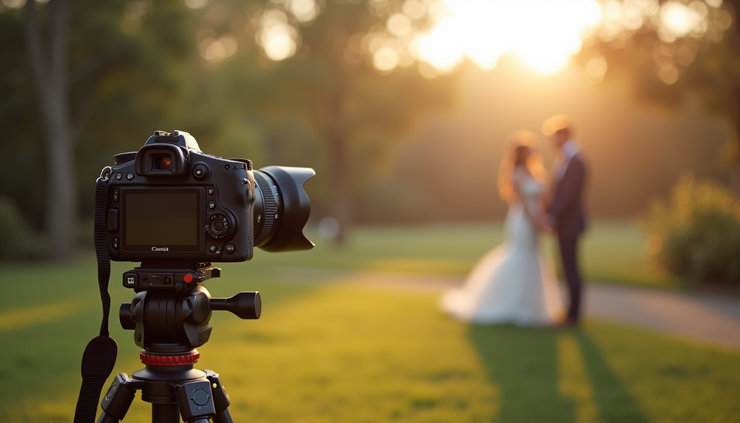
Understand the Couple’s Vision and Style
Before the wedding day, meet with the couple to discuss their expectations. Ask about:
Their preferred photography style (e.g., candid, traditional, artistic)
Key moments they want captured (first look, family portraits, candid reactions)
Any special requests or cultural traditions to include
Knowing these details helps tailor your approach and ensures you capture images that reflect their personalities and story. For example, if the couple prefers natural, unposed photos, plan to use available light and blend into the background rather than directing every shot.
Scout the Location in Advance
Visit the wedding venue before the event to assess lighting conditions, backgrounds, and potential shooting spots. Look for:
Areas with good natural light for portraits
Interesting architectural features or landscapes for creative shots
Spaces for group photos and where guests will gather
This preparation saves time on the wedding day and helps you plan your equipment needs. For instance, if the venue has dim indoor lighting, bring fast lenses and external flashes to maintain image quality without disturbing the atmosphere.
Prepare Your Equipment Thoroughly
Double-check your gear to avoid technical issues during the shoot. Essential items include:
Primary and backup cameras
A variety of lenses (wide-angle for groups, prime lenses for portraits)
Extra batteries and memory cards
External flashes and diffusers
Tripods or monopods if needed
Test all equipment before the day to ensure everything works smoothly. Carry a small repair kit with cleaning tools and spare parts for quick fixes.
Plan Your Timeline and Shot List
Coordinate with the wedding planner or couple to understand the schedule. Create a shot list covering:
Getting ready moments (bride and groom preparations)
Ceremony highlights (vows, ring exchange, first kiss)
Group and family portraits
Reception details (decor, cake cutting, first dance)
Having a timeline and shot list keeps you organized and helps you anticipate where to be at key moments. It also allows you to communicate clearly with assistants or second shooters.

Build Rapport with the Couple and Guests
On the wedding day, establish a friendly and professional relationship with the couple and guests. This helps people feel comfortable and natural in front of the camera. Tips include:
Greet the couple warmly and confirm the plan
Be approachable and discreet during candid shots
Give clear, gentle directions for posed photos
Stay patient and flexible when plans change
Positive interactions often result in more genuine expressions and memorable photos.
Adapt to Changing Conditions
Weddings rarely go exactly as planned. Weather, lighting, or timing can shift unexpectedly. Stay calm and ready to adjust by:
Having alternative shooting locations in case of rain
Using portable lighting for dark venues
Being flexible with the schedule to capture spontaneous moments
Your ability to adapt ensures you don’t miss important shots and maintain high-quality images.
Focus on Storytelling Through Images
Think beyond individual photos and aim to tell the wedding day’s story. Capture a mix of:
Wide shots showing the venue and guests
Close-ups of details like rings, flowers, and decorations
Emotional moments between the couple and their loved ones
This variety creates a rich, meaningful album that the couple will cherish.
Review and Backup Photos Immediately
After the shoot, back up all images in multiple locations to prevent data loss. Begin reviewing photos promptly to identify any missing shots or issues. This allows you to:
Request reshoots if possible
Start editing while memories are fresh
Deliver the best final product on time


Comments